


Folegandros: CAMHI Visits the "Iron Land" of the Cyclades
As part of its collaboration with the Mobile Medical Units (MMUs) of "Anagennisi & Proodos", the Child & Adolescent Mental Health Initiative (CAMHI) visited Folegandros from 18 to 22 November 2026. During the visit, CAMHI held four meetings with teachers, a health professional and parents, to present its work and to hear about the local community's needs in child and adolescent mental health.
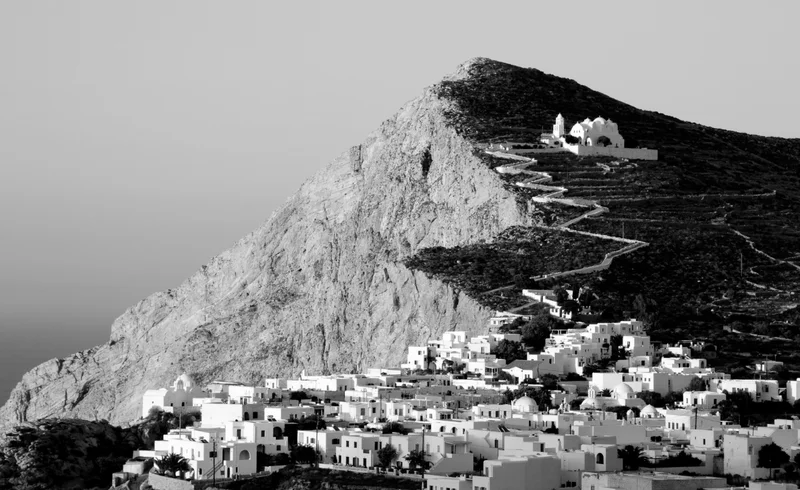
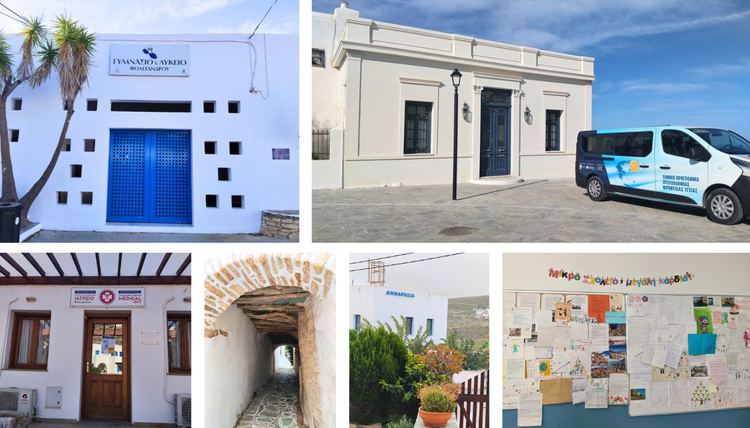
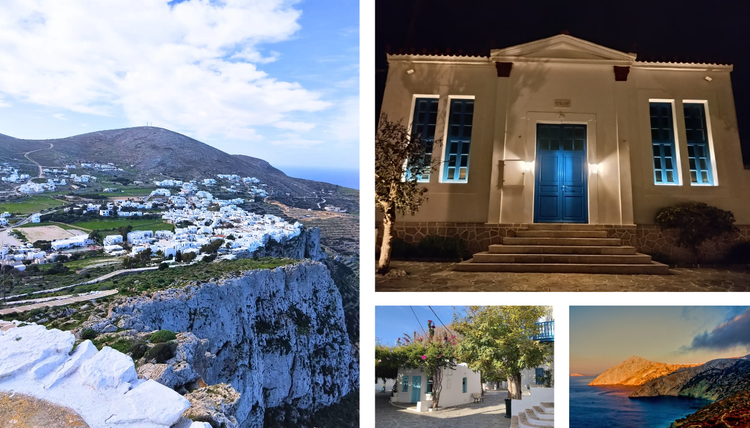
Folegandros, or "Iron Land" -a description it earned as early as antiquity because of its rocky, rugged terrain- lies in the southwestern Cyclades and had 719 permanent residents at the 2021 census. Chora, perched on the edge of a cliff, has kept its medieval Kastro and traditional architecture. At the same time, in Ano Meria the old farmhouses and stone structures speak of a long tradition of farming in demanding conditions. Today, growing tourism has a considerable impact on the economy and daily life of this small island community.
Meetings in the field
CAMHI member and child and adolescent psychiatrist Efi Kapsimalli led all four meetings.
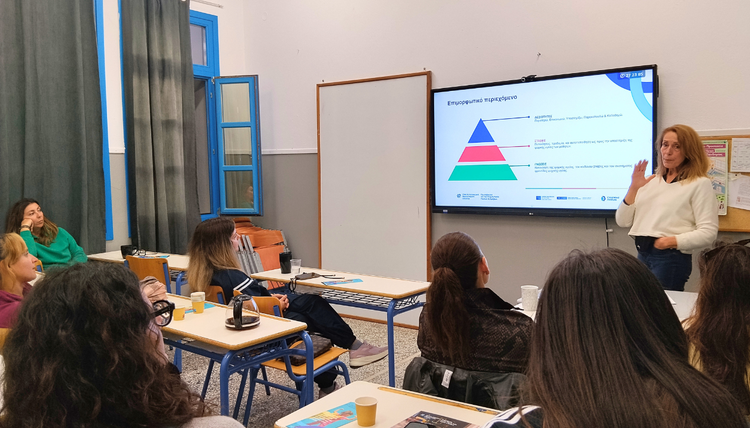
The first brought together nine primary and secondary school teachers, who were introduced to CAMHI's work and to the "Mental Health Literacy" training programme. A separate meeting followed with the head of the primary school and the two kindergarten teachers, centred on the needs of younger children and everyday life at school.
Another meeting was held with the island's rural doctor to present CAMHI and its training programme for primary health care professionals on screening for mental health problems in children and adolescents.
The fourth was with three representatives of the island's Parents' Associations. The two-hour conversation covered raising children, the particularities of life on Folegandros, and ways of supporting families.
What we heard in Folegandros
The teachers described a lively school environment. They speak with enthusiasm about their work and value openness to the world, innovation, and making the most of what the island has to offer.
This year they are preparing initiatives on climate change and One Health, as well as arts activities, theatre in particular. They noted that many children struggle to recognise and express their emotions, often because they lack the words for them, and the discussion turned to ways of supporting and empowering these children.
They were especially pleased to have a psychologist at the school for a second consecutive year, and described this steady collaboration with a mental health professional as extremely positive for students, teachers and parents alike.
For all the challenges of living and working on a small island, the teachers stress the strengths of their community and how important it is for children to be able to grow up and thrive in the place they call home.
The meeting with the Parents' Associations was just as engaging. Three women, each professionally independent, actively involved in community life and with long experience of island living, shared their concerns, experiences and questions about raising children.
They spoke of the particular conditions of raising children on Folegandros and the need to be prepared for anything. Because travelling between islands and reaching specialised services is difficult, online meetings and remote support are very useful and often essential.
They also described the quiet winters, a time to rest and regroup, and the summers, which are becoming more demanding as tourism grows. They spoke of the benefits of living close to nature and of modern challenges such as mobile phones and video games.
Cooperation between parents and the school was an important part of the conversation. Frequent changes of teachers, a reality of island education, were seen as a chance for children to meet different people, ways of thinking and behaviours, building their flexibility and adaptability.
A connection to the place and its history also emerged as a core value. The women spoke of the olive trees they look after and shelter from the wind, of their association's activities this year centred on the herbs of Folegandros, and of the importance of keeping children in touch with nature and local tradition.
The meetings underlined the difficulties of island life, especially access to services and continuity of care. They also showed the value of cooperation, of residents' active participation and of initiatives that grow from within the community. Teachers and parents spoke not only of needs but of the island's strengths, upholding in practice children's right to grow up well where they live.
CAMHI's collaboration with the Mobile Medical Units strengthens direct contact with local communities and helps identify needs and opportunities for cooperation in supporting the mental health of children and adolescents.
- CAMHI's program is developed and implemented by a nationwide network of public-sector mental health organizations and professionals, in partnership with the Child Mind Institute (New York) and with the support of the Ministry of Health. The Child & Adolescent Mental Health Initiative is supported exclusively by the Stavros Niarchos Foundation (SNF) as part of the SNF's Global Health Initiative (GHI).
- The Mobile Medical Units (MMU) are an initiative undertaken by the Stavros Niarchos Foundation (SNF) in collaboration with the Health Units S.A. (AEMY S.A.), within the framework of the National Primary Health Care Program, implemented by Regeneration & Progress under the scientific supervision of the 1st Orthopedic Clinic of the National and Kapodistrian University of Athens.