


Kimolos: CAMHI Visits the Island of “Cimolian Earth”
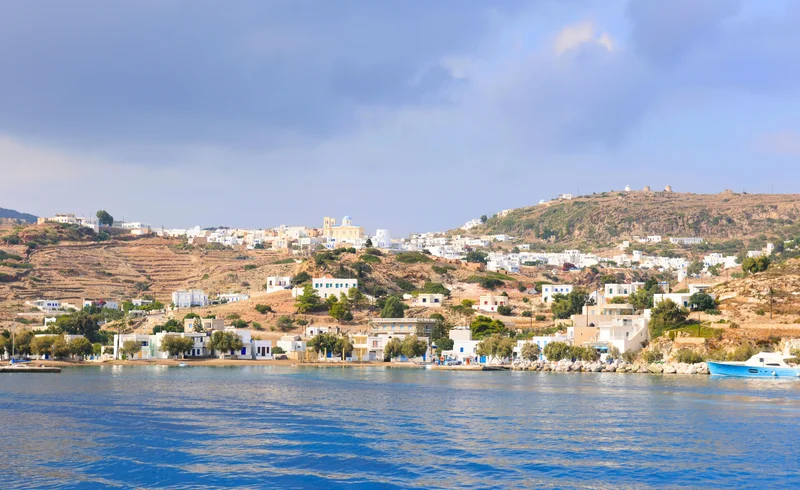
As part of its collaboration with the Mobile Medical Units (MMUs) of “Regeneration & Progress”, the Child & Adolescent Mental Health Initiative (CAMHI) visited Kimolos from 23 to 27 October 2026. During the visit, CAMHI met with health professionals, teachers and parents to present its work and to record the local community’s needs in child and adolescent mental health.
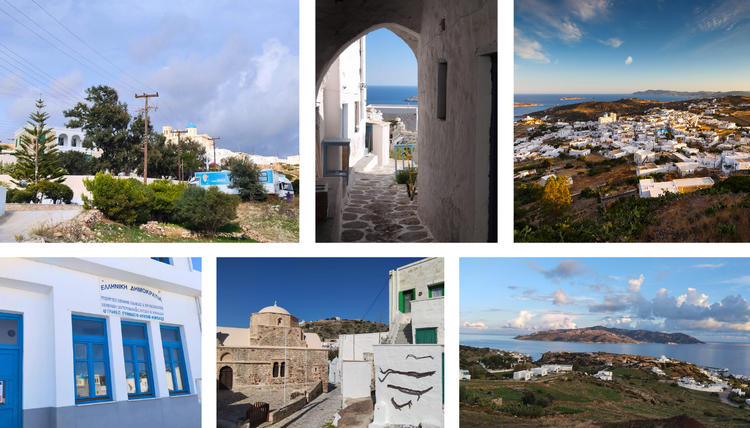
Kimolos is a small island in the Western Cyclades with 810 permanent residents (2021 census). It is known for “Cimolian earth”, the white clay valued since antiquity for its cleansing and therapeutic properties. In the heart of Chora stands the medieval Kastro, built during the Frankish period, its walls formed by the outer walls of houses built side by side. Care for older people also has a long history here. The Afentakeio Bequest, founded in 1907 through a donation by the benefactor Georgios Ekonomou Afentakis, housed a nursing home for decades. Newly renovated, the building now hosts a Day Care Center for Older Adults (KIFI) and has also welcomed the clinics of the Mobile Medical Units.
Meetings in the Field
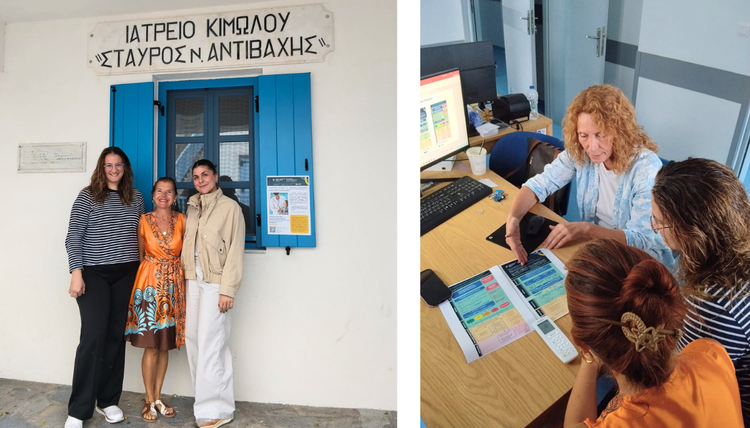
During her stay, CAMHI's child and adolescent psychiatrist, Efi Kapsimalli, held four meetings.
On Sunday 25 October, at the Kimolos Multipurpose Regional Clinic, she met with the island’s rural doctors and its nurse. She presented the training programme “Screening for Mental Health Problems in Children and Adolescents”, designed for primary health care professionals.
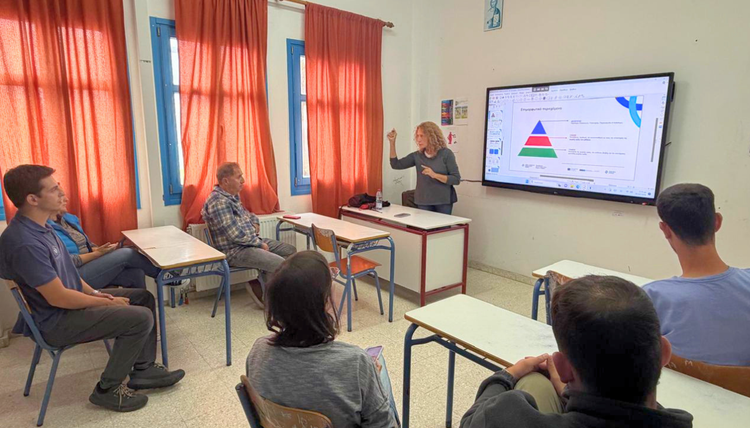
Three more meetings followed on Monday 26 October. At midday, at the Junior High School with Senior High School classes, seven school staff members learned about CAMHI and the “Mental Health Literacy” programme. In the afternoon, a similar meeting took place at the Kimolos Primary School with four primary and kindergarten teachers. The day closed with nine mothers from the island’s two Parents’ Associations, who joined an open discussion on mental health and on the needs of children and their families, after a presentation of the Initiative.
What We Heard in Kimolos
Beyond travel difficulties and limited access to specialized services, the discussions brought specific needs to the surface.
Health professionals spoke of the need to support primary care doctors in recognizing and initially managing mental health cases, and of the need for clear referral pathways to specialized services. They also pointed to the lack of social welfare services and the need for psychosocial assessment and support for residents.
Parents asked for a steady presence of mental health services on the island, for both children and adults. They also described their experience of specialized therapies delivered online, which, according to residents, failed to secure consistent participation and were often discontinued early.
Both health professionals and parents spoke warmly of a mental health team that used to visit Kimolos about once a month. According to them, this service has since been discontinued.
Residents also pointed to a change in the island’s winter life. The major tourism growth of recent years has come with shifts in family habits: more and more people choose to spend the winter holidays away from the island, shops stay closed, and Chora empties even on the days that once brought families and neighbors together. These changes raise questions about the life and bonds of a small island community.
Overall, the meetings highlighted the need not only for access to specialized mental health services, but also for continuity of care, clear referral pathways, and support for the professionals working on the island. CAMHI’s collaboration with the Mobile Medical Units makes it possible to record these needs and to look for ways of responding, with the aim of equal access to mental health care for children and adolescents, wherever they live.
- CAMHI's program is developed and implemented by a nationwide network of public-sector mental health organizations and professionals, in partnership with the Child Mind Institute (New York) and with the support of the Ministry of Health. The Children & Adolescent Mental Health Initiative is supported exclusively by the Stavros Niarchos Foundation (SNF) as part of the SNF's Global Health Initiative (GHI).
- The Mobile Medical Units (MMU) are an initiative undertaken by the Stavros Niarchos Foundation (SNF) in collaboration with the Health Units S.A. (AEMY S.A.), within the framework of the National Primary Health Care Program, implemented by Regeneration & Progress under the scientific supervision of the 1st Orthopedic Clinic of the National and Kapodistrian University of Athens.