


Kastellorizo: CAMHI Visits Greece's Most Remote Island
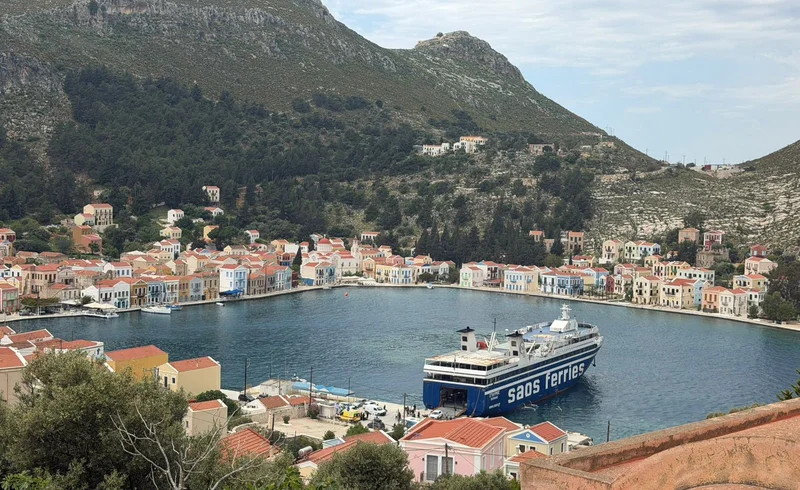
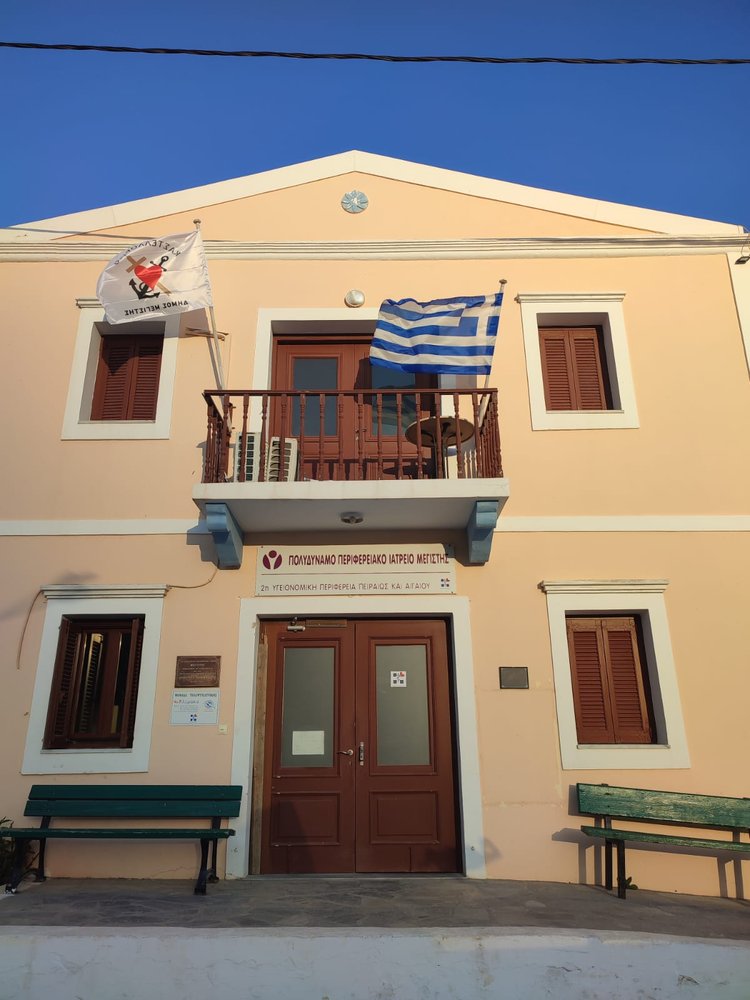
As part of its collaboration with the Mobile Medical Units (MMU) of "Regeneration & Progress", the Child & Adolescent Mental Health Initiative (CAMHI) visited Kastellorizo from 24 to 29 April 2026. The visit centred on the Multifunctional Regional Medical Centre of Megisti, in close coordination with the island's teaching and healthcare staff.
Kastellorizo (Megisti) is Greece's easternmost island, far from the mainland yet just a few kilometres from the Turkish coast. With a permanent population of a few hundred residents, the island has a vibrant local community and well-established educational infrastructure, from kindergarten through to upper secondary school. However, its geographical isolation translates into chronic shortages in health and welfare services, which disproportionately affect children and their families.
Field Meetings
During our stay on the island, meetings were held across a number of different settings.
At the Medical Centre of Megisti, a two-hour meeting was held with the medical and nursing staff — a rural doctor, a nurse, and an administrative officer — during which the training programme on mental health screening for children and adolescents was presented.
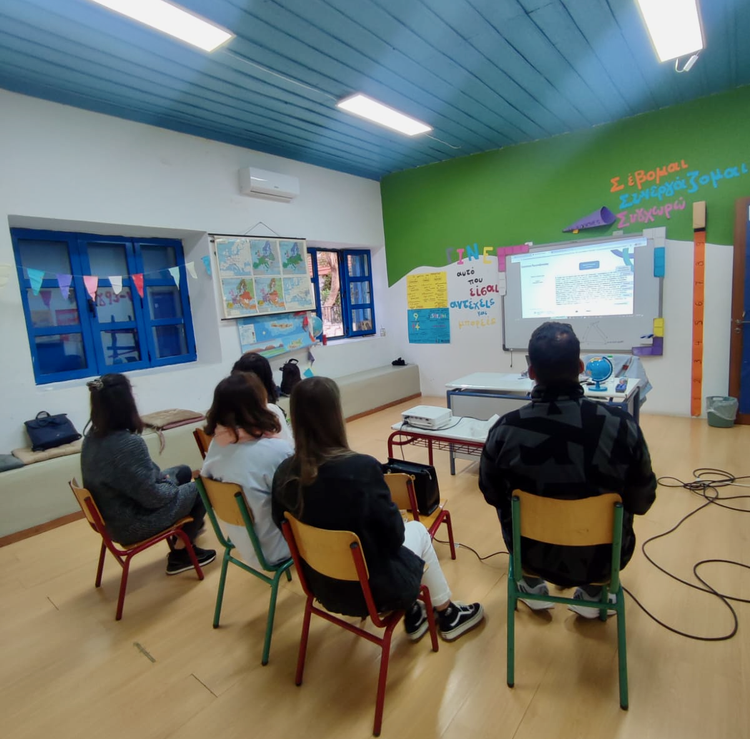
At the Megisti Junior and Senior High School, a meeting took place with 8 teachers. CAMHI's programme was presented alongside the training programme "Mental Health Literacy", aimed at school staff, followed by an open discussion with a focus on school–family communication.
At the Megisti Primary School and Kindergarten, a meeting was held with 7 teachers and a school psychologist. The session covered the Initiative's programme and the training programme for school staff, while the ensuing discussion focused on the accurate observation of student difficulties and appropriate referral practices.
Community Challenges and Needs
Field discussions brought to light structural challenges that directly affect access to mental health services on the island. Among the issues raised, the most prominent were the lack of social services, the absence of mental health professionals in both the public and private sectors, and a serious shortage of child psychiatry coverage that makes referral following a positive screening particularly difficult. Furthermore, the island's small, close-knit community creates additional barriers to managing child protection matters, while the absence of specialist professionals — speech therapists, occupational therapists, psychologists — means that assessments and diagnoses are frequently unable to be followed up with any form of intervention.
The needs identified as most pressing include mental health intervention (addressing emotional, learning, and behavioural difficulties), the establishment of parent support groups, strengthened child psychiatry and psychology coverage, early identification of neurodevelopmental difficulties, enhanced support from KEDASY/EDY services, and the introduction of incentives to attract specialist professionals to the island.
Community Response
The response from teaching and healthcare staff was warm. Being physically present in the field allowed for a deeper understanding of the real needs of a community that combines geographical isolation with a marked lack of supporting services. It also strengthened networking between the health and education sectors and laid the groundwork for more sustained forms of support in the future.
The joint presence of CAMHI and the Mobile Medical Units represents a further step towards equitable access to mental health prevention and care for children and adolescents, regardless of where they live.
- CAMHI's program is developed and implemented by a nationwide network of public-sector mental health organizations and professionals, in partnership with the Child Mind Institute (New York) and with the support of the Ministry of Health. The Children & Adolescent Mental Health Initiative is supported exclusively by the Stavros Niarchos Foundation (SNF) as part of the SNF's Global Health Initiative (GHI).
- The Mobile Medical Units (MMU) are an initiative undertaken by the Stavros Niarchos Foundation (SNF) in collaboration with the Health Units S.A. (AEMY S.A.), within the framework of the National Primary Health Care Program, implemented by Regeneration & Progress under the scientific supervision of the 1st Orthopedic Clinic of the National and Kapodistrian University of Athens.